آل عباس ٹرانسپورٹ سروس

Home / Makkah Ziyarat Places

Makkah Ziyarat Places

Beyond the Haram, Makkah is surrounded by places that every pilgrim has heard about since childhood. This simple guide explains the main Makkah Ziyarat places in plain words — what each place is, and what to expect when you visit.

Makkah ziyarat places — the Kaaba, the first place every pilgrim visits
Mountains of Makkah near Ziyarat places like Jabal al-Noor
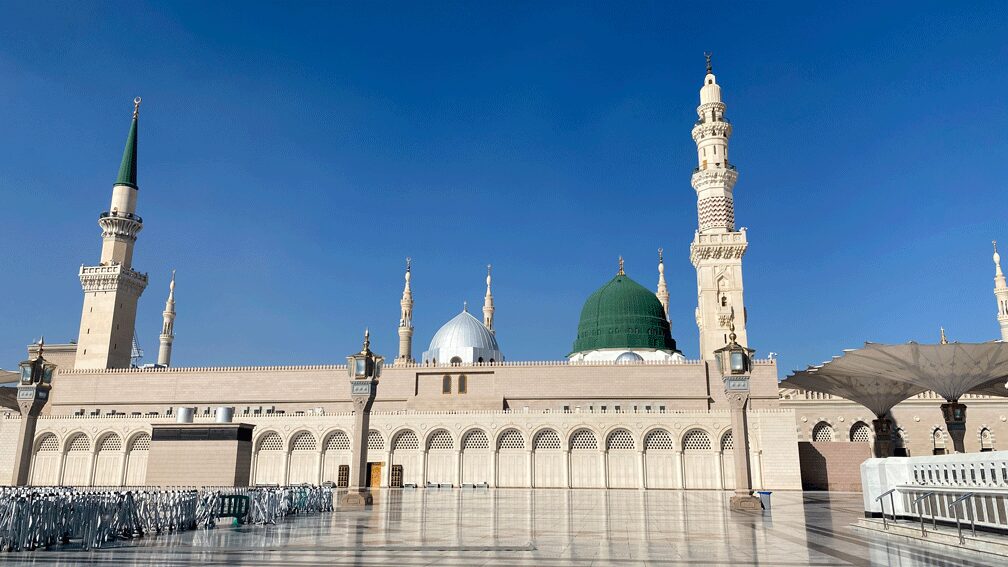
Masjid Nabawi in Madinah, visited on the same Umrah trip
Makkah ziyarat taxi for a day of visiting the holy places

A Simple Guide

Why Pilgrims Visit These Places

Most pilgrims come to Makkah for Umrah, and their days centre on the Haram. But a Ziyarat tour adds something different: it connects the names you have read and heard about with real places you can stand in front of. A mountain, a plain, a quiet graveyard — seeing them slowly, with your family beside you, helps the whole journey feel closer and more personal.

You do not need to see everything in one day. Many families choose the two mountains and the Hajj-route area in one trip, and keep the miqat visits for the day they plan another Umrah. When you book a taxi for Ziyarat in Makkah, share your list of places so the day can be planned around your family.

How much time do I need for Makkah Ziyarat?

Keep about half a day for the main places if you view the mountains from below. If someone wants to climb at Jabal al-Noor, add more time and start early. Tell us your list on WhatsApp, and we will help you plan the day.

Where do I wear Ihram for a second Umrah?

Most pilgrims from Makkah go to Masjid Ayesha at Taneem, the nearest Miqat, pray there and enter Ihram before going back to the Haram. A Miqat taxi takes you there and brings you back, so you do not need to look for a car in your Ihram.

The Holy Kaaba in Makkah, the centre of every Umrah journey

The Places

Makkah Ziyarat Places, One by One

Jabal al-Noor — Hira Cave

This is the mountain of light, home to Cave Hira, where the first words of the Quran are widely known to have been revealed. The cave sits near the top, and reaching it means a steep climb with many steps, so climb only if your health allows. Standing below and looking up is also a complete visit.

Jabal Thawr

Jabal Thawr is known for the cave where the Prophet Muhammad (peace be upon him) and Abu Bakr (may Allah be pleased with him) stayed during the migration to Madinah. The climb is long and demanding, so most visitors view it from below, make dua, and take their time in the area rather than going up.

Mina

Mina is the valley of the white tents, where pilgrims stay during the days of Hajj and where the Jamarat, the pillars stoned during Hajj, are located. Outside the Hajj days it is seen as part of the Hajj-route area — quieter and calmer.

Arafat — Jabal al-Rahmah

The plain of Arafat is where pilgrims gather on the Day of Arafah, the central day of Hajj. Jabal al-Rahmah, the Mount of Mercy, is the small hill within the plain. Outside Hajj days Arafat is visited as part of the Hajj-route area — an open, quiet plain where families pause and make dua.

Muzdalifah

Muzdalifah lies between Arafat and Mina. During Hajj, pilgrims spend the night here under the open sky after the Day of Arafah and collect pebbles for the Jamarat. On a Ziyarat tour it is normally seen along the same Hajj route.

Jannat al-Mualla

Jannat al-Mualla is the historic graveyard of Makkah, a short distance from the Haram. Many early Muslims and members of the Prophet's family are buried here, including Khadijah (may Allah be pleased with her). It is a quiet, respectful stop where visitors make dua and follow the guidance given at the site.

Masjid Ayesha — Taneem

Masjid Ayesha, in the area called Taneem, is the closest miqat to the Haram. A miqat is a place where pilgrims enter the state of ihram before Umrah. Pilgrims who wish to perform another Umrah during their stay commonly come here, pray, enter ihram, and then travel back to the Haram.

Ji'ranah

Ji'ranah is another miqat, further from central Makkah than Taneem, with a mosque where pilgrims can enter ihram for Umrah. Because it is a longer drive, many visitors find it calmer and less rushed. Ask us about including Ji'ranah when you plan an Umrah renewal.

Hudaibiyah

Hudaibiyah, on the edge of Makkah, is known for the treaty that took its name from this place. There is a mosque in the area, and the visit is a simple, peaceful one — a short stop to see the place, reflect, and pray.

Mountains around Makkah seen on a Ziyarat tour

Before You Go

Practical Visiting Notes

  • Start early in the morning, when the air is cooler and the places are calmer.
  • Wear comfortable shoes and carry water, especially if you plan to walk or climb.
  • The two mountains involve real climbing — nobody in your group should feel pressed to go up.
  • Mina, Arafat and Muzdalifah are seen as part of the Hajj-route area outside Hajj days.
  • Keep prayer times in mind, and allow the driver to adjust stops if access rules change on the day.

Families travelling onwards often pair this guide with our Makkah to Madinah taxi page. However you plan it, go at your own pace — these places reward a slow visit. A private Makkah Ziyarat taxi keeps that slow pace, because the car waits while you visit each place.

Can I visit Jabal al-Noor and Jabal Thawr in one trip?

Yes. Most tours visit both mountains in one trip, along with Mina, Arafat and Muzdalifah on the way. You can view both mountains from below, and only those who are fit should try the climbs.

FAQ

Frequently Asked Questions

What are the main Makkah Ziyarat places?

The places most visitors include are Jabal al-Noor, Jabal Thawr, Mina, Arafat, Muzdalifah, Jannat al-Mualla, Masjid Ayesha at Taneem, Ji'ranah and Hudaibiyah. Many families see several of them in one planned tour.

How much time should we keep for a Makkah Ziyarat tour?

That depends on which places you choose, how long you stay at each stop, and whether anyone in your group wants to climb at Jabal al-Noor or Jabal Thawr. Tell us your list on WhatsApp and we will suggest a sensible plan for your day.

Can elderly parents visit Jabal al-Noor and Jabal Thawr?

Yes, they can visit the areas and see both mountains from below. The climbs themselves are steep and tiring, so elders and anyone with knee, heart or breathing problems should not feel they must climb. The visit still has meaning without going up.

Is Masjid Ayesha at Taneem a miqat?

Yes. Masjid Ayesha at Taneem is a miqat, a place where pilgrims enter ihram before going to the Haram for Umrah. Many visitors include it in their Makkah Ziyarat so they can pray there and enter ihram in a calm, unhurried way.

How do we arrange a car for these places?

Send us a WhatsApp message on +966 54 949 4206 with your hotel name, the date and how many people are travelling. We will confirm the vehicle and the exact fare on WhatsApp before the trip, and the driver will collect you from your hotel.

Can we visit Mina, Arafat and Muzdalifah outside the Hajj days?

Yes. Outside the Hajj days these places are visited as Ziyarat stops on the Hajj-route area of Makkah. You see the plain of Arafat, Jabal al-Rahmah, the tents area of Mina and Muzdalifah from the road and at set stops, and the driver will follow any access rules on the day.

Is it better to start a Makkah Ziyarat tour in the morning?

A morning start is cooler and the places are calmer, so many families start after breakfast. The start time is agreed when you book, so a later start is also fine if it suits your prayers and rest.

Is Ziyarat compulsory during Umrah?

No. Ziyarat is not one of the rites of Umrah, and your Umrah is complete without it. Pilgrims visit these places to see where the events of early Islam happened and to learn from them, and most people find it a moving part of the trip.

Ready to Visit These Places?

Book a private car for your Ziyarat tour on our Makkah Ziyarat taxi page, or message us directly and tell us which places you want to see.

CHAT ON WHATSAPP